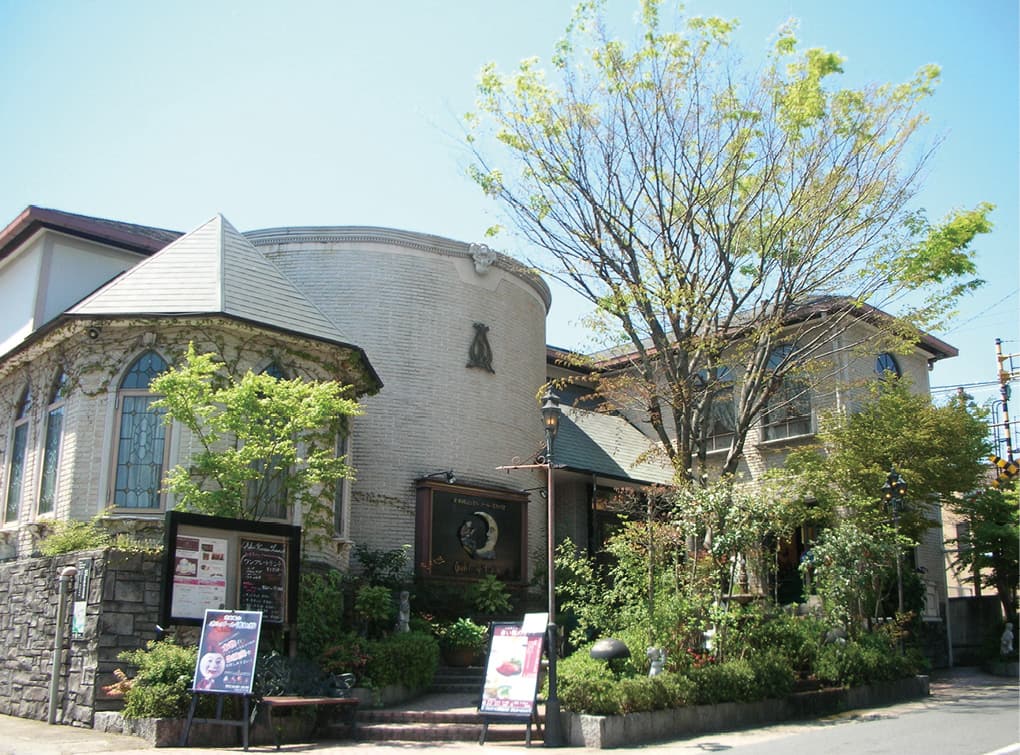
The Kyoto Arashiyama Music Box Museum
- Highlight
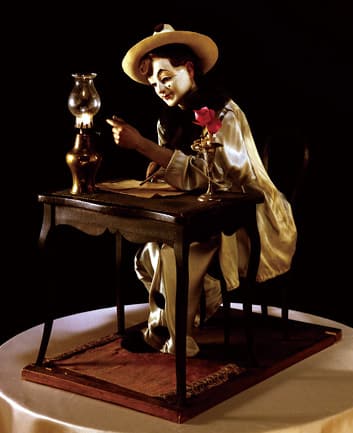
- An automata of Pierrot Ecrivain hurriedly lighting a lamp to keep sleep from his eyes (1895)
Illuminating a beautiful automated past
This museum has taken over the entire collection of 2,000 music boxes that belonged to one of the world’s prominent music box collectors Guide Reuge, the founder of a Swiss music box manufacturer. With regular changes made, more than 100 pieces of the 2,000-piece collection are on display at any one time, with explanations and performances provided.
Among the exhibits, there are extremely rare and famous pieces, such as the world’s oldest music box, made by the 18th century clockmaker Antoine Fabre, one of the snuff music boxes ordered by Napoleon to give to his generals after winning the war against Austria, and automata monkey musicians adored by Maria Antoinette. Here, Automata mean automated dolls that are wound up to move in actions such as writing or playing music in accompaniment to the music of the box.
The museum has a shop as well as a café where visitors can listen to the music boxes while shopping or dining.
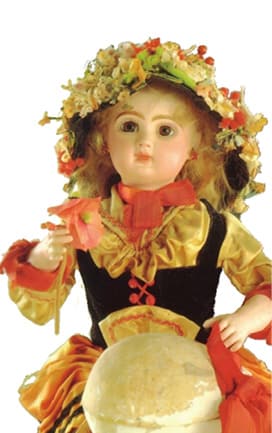
Young girl holding eggs

When was the world’s oldest music box made?
| Address | 1-38 Saga Tenryuji Tateishi-cho, Ukyo-ku |
|---|---|
| TEL | 075-865-1020 |
| FAX | 075-865-1022 |
| URL | http://www.orgel-hall.com |
| Hours | Mar-Dec 10:00~18:00 (entry by 17:30) Jan-Feb 10:00~17:00 (entry by 16:30) |
| Closed | Tue (following day if Nat Hol) ※Please phone or check homepage as irregular hols are taken |
| Adm | Adults ¥1,000, College students ¥700, Junior high and high school students ¥600 (in school uniform and School trip students ¥500), Elementary school students ¥300 ※Discount plans available |
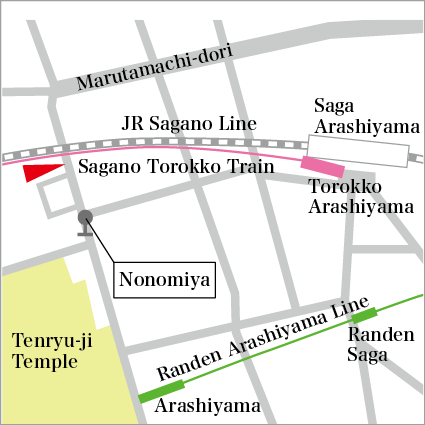
| Access | A 10-min walk from JR Saga Arashiyama Stn/A 5-min walk from Randen Arashiyama Stn/Very close to Nonomiya Stop of City Bus and Kyoto Bus |
Facilities near by
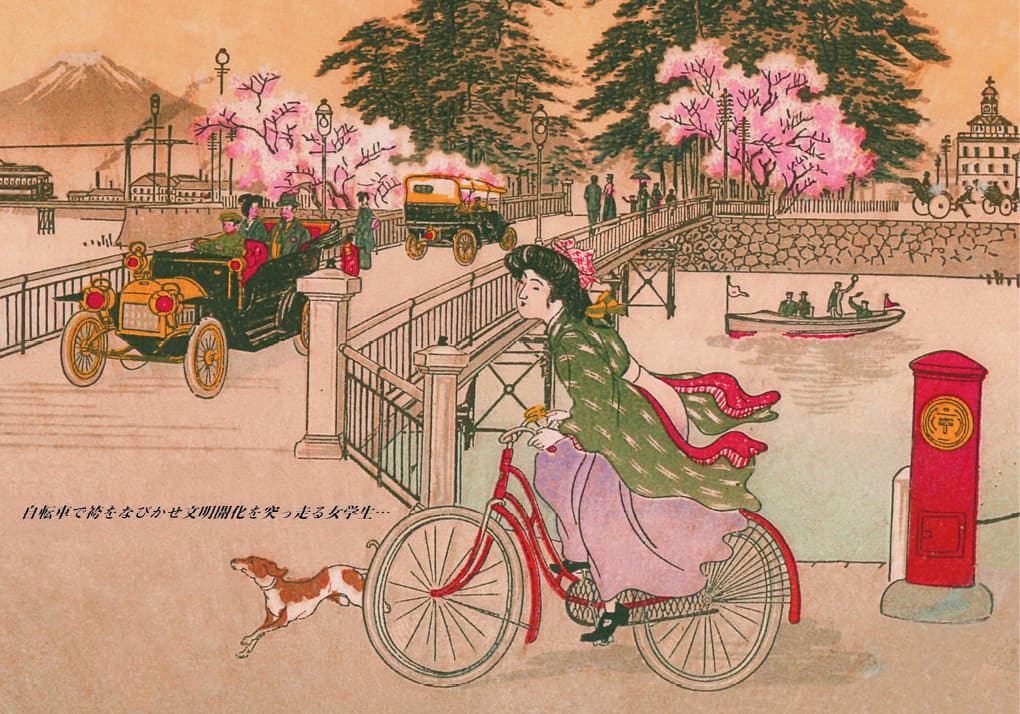
Memory Museum
A collection that speaks to contemporary Japanese from the end of the Edo period to when the atomic bomb hit
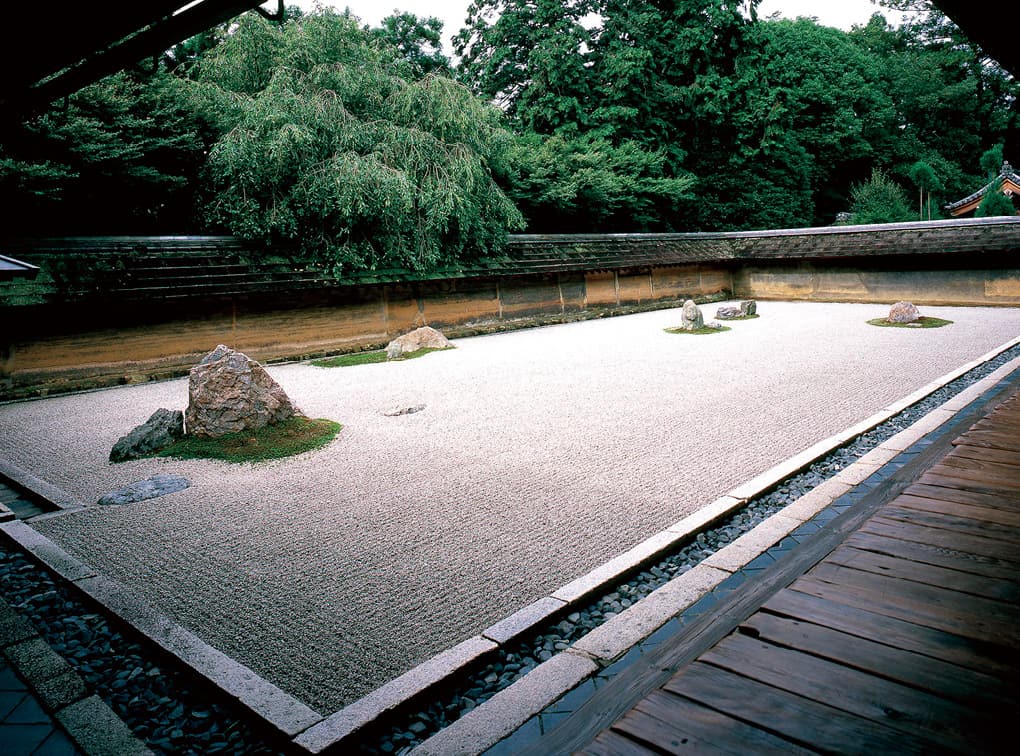
Ryoan-ji Temple
The ultimate in rock garden landscapes offering contemplation of Zen
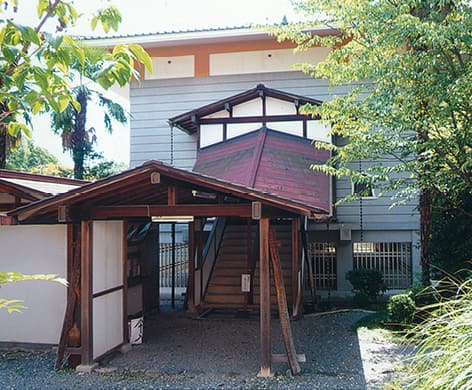
Seiryo-ji Temple Reiho-kan
Treasure house built to hold Buddha images built between Heian and Kamakura eras
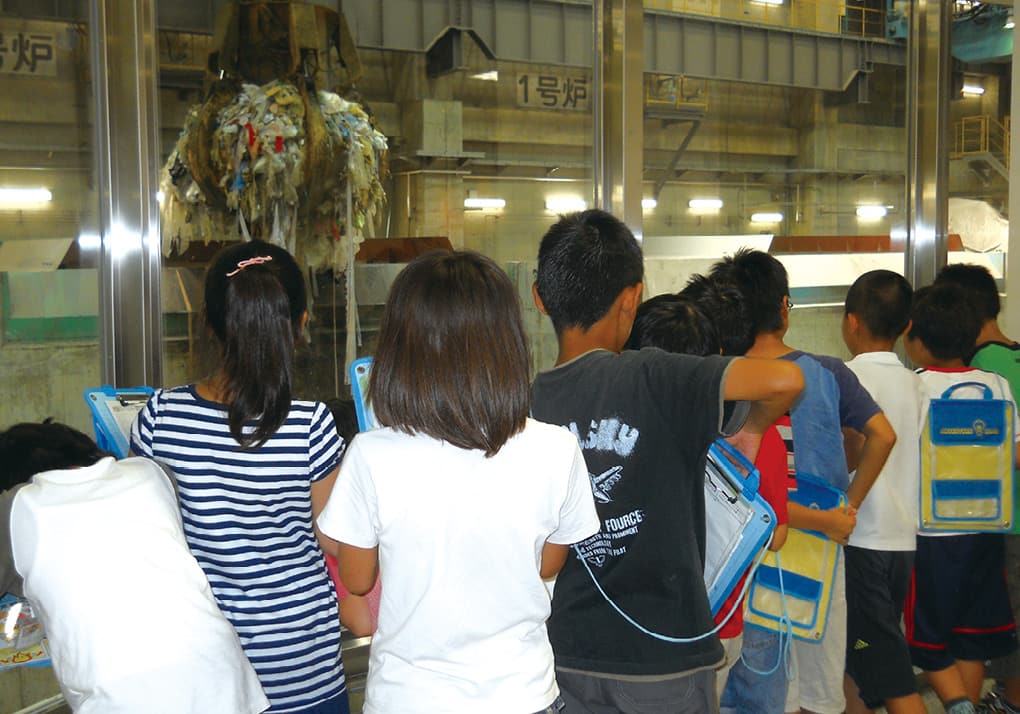
Environmental Policy Bureau
Working to create a city that can sustainably reduce the environmental load